
The Israeli Pilots Association magazine

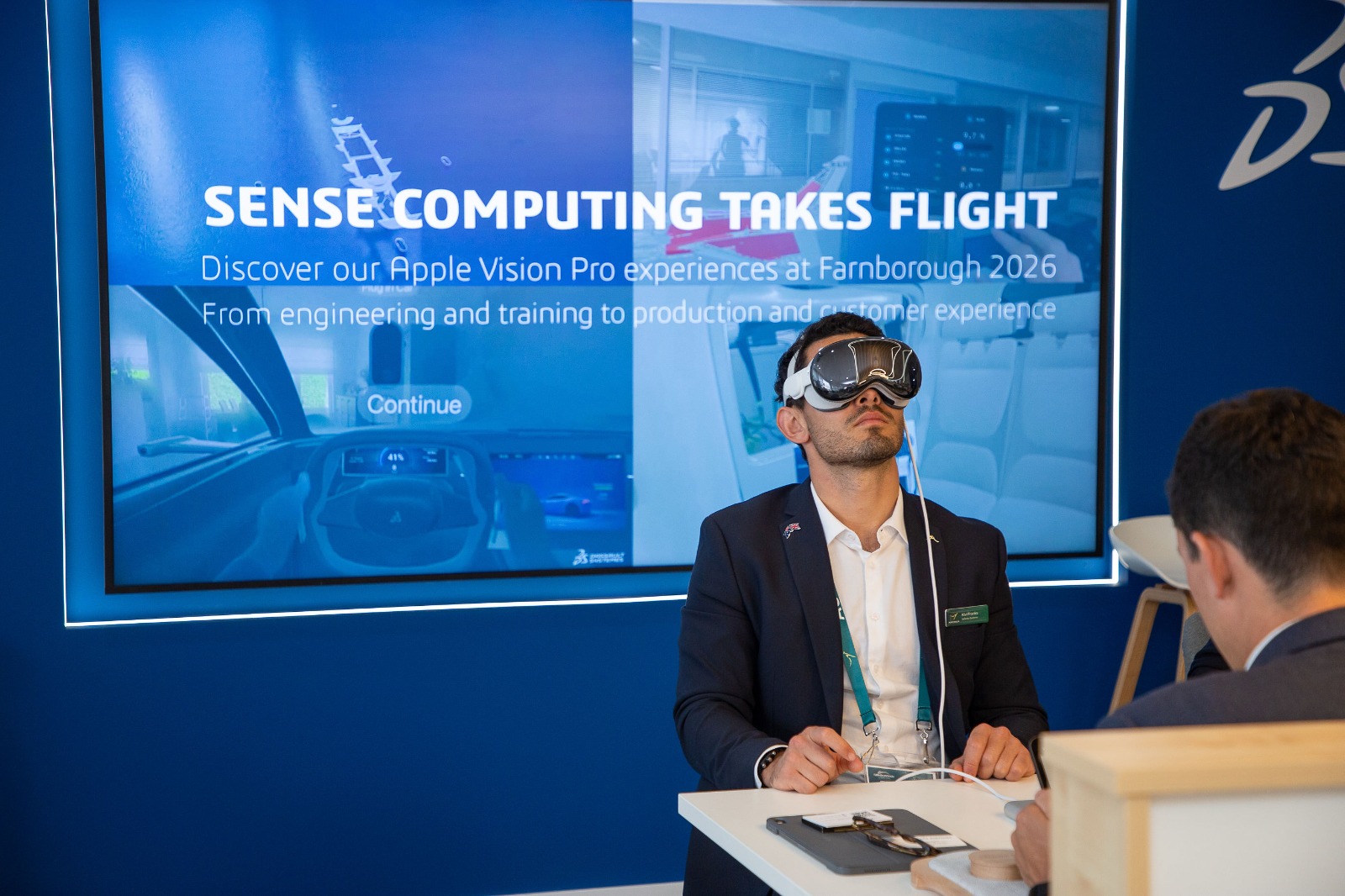
One of the most conspicuous trends at this year’s Farnborough International Airshow was the shift away from physical displays – products and systems that visitors can actually see and touch – and toward digital presentations on giant screens. The dramatic increase in computing performance and digital capabilities, combined with the rapidly expanding use of artificial intelligence, now makes it possible to create an immersive representation of a product at a fraction of the cost.
For genuine aviation enthusiasts, this may have made the flying display somewhat less exciting than in previous years, with fewer aircraft shaking the exhibition halls as they thundered overhead. In the digital domain, however, the industry has advanced to the point where companies are now discussing the possibility of dispensing altogether with the development of a physical prototype—and proceeding directly to serial production.
In this environment, artificial intelligence is far more than a static tool for collecting or analyzing data. It functions as a driving force, pushing engineering toward higher-quality and more innovative solutions. AI can propose new approaches to complex engineering challenges and evaluate alternatives almost instantaneously. Yet, as Alexis Valois emphasizes, one critical principle remains unchanged: the human being stays at the center of the process. The system is designed to make specialized knowledge more accessible and to automate processes, but control, oversight and final approval of complex solutions remain firmly in the hands of the human engineer.
Dassault Systèmes
In the modern aerospace and defense industry, developing a new product is, by definition, a race against time, cost and physical constraints. Alexis Valois, Business Development Executive with the Aerospace & Defense team at software giant Dassault Systèmes, presented us at the Farnborough International Airshow with a vision in which the very concept of a “physical prototype” may eventually become a thing of the past.
Through its 3DEXPERIENCE platform, and by bringing artificial intelligence into the very heart of industrial processes, the company is driving an industrial transformation based on managing a “Virtual Twin” throughout the entire product lifecycle.
To understand the scale of this change, it is first necessary to distinguish between the familiar concept of a Digital Twin and what Dassault Systèmes calls a Virtual Twin.
Valois explains that Virtual Twin is not merely a passive collection of data, nor simply a graphical representation showing what a product looks like at a given moment. Rather, it is a living, reusable model enriched with the product’s complete historical and operational information.
According to Valois, this model makes it possible to run advanced simulations, assess future scenarios and derive lessons from past performance. In doing so, it becomes a vital repository of experience and knowledge that can inform subsequent developments.
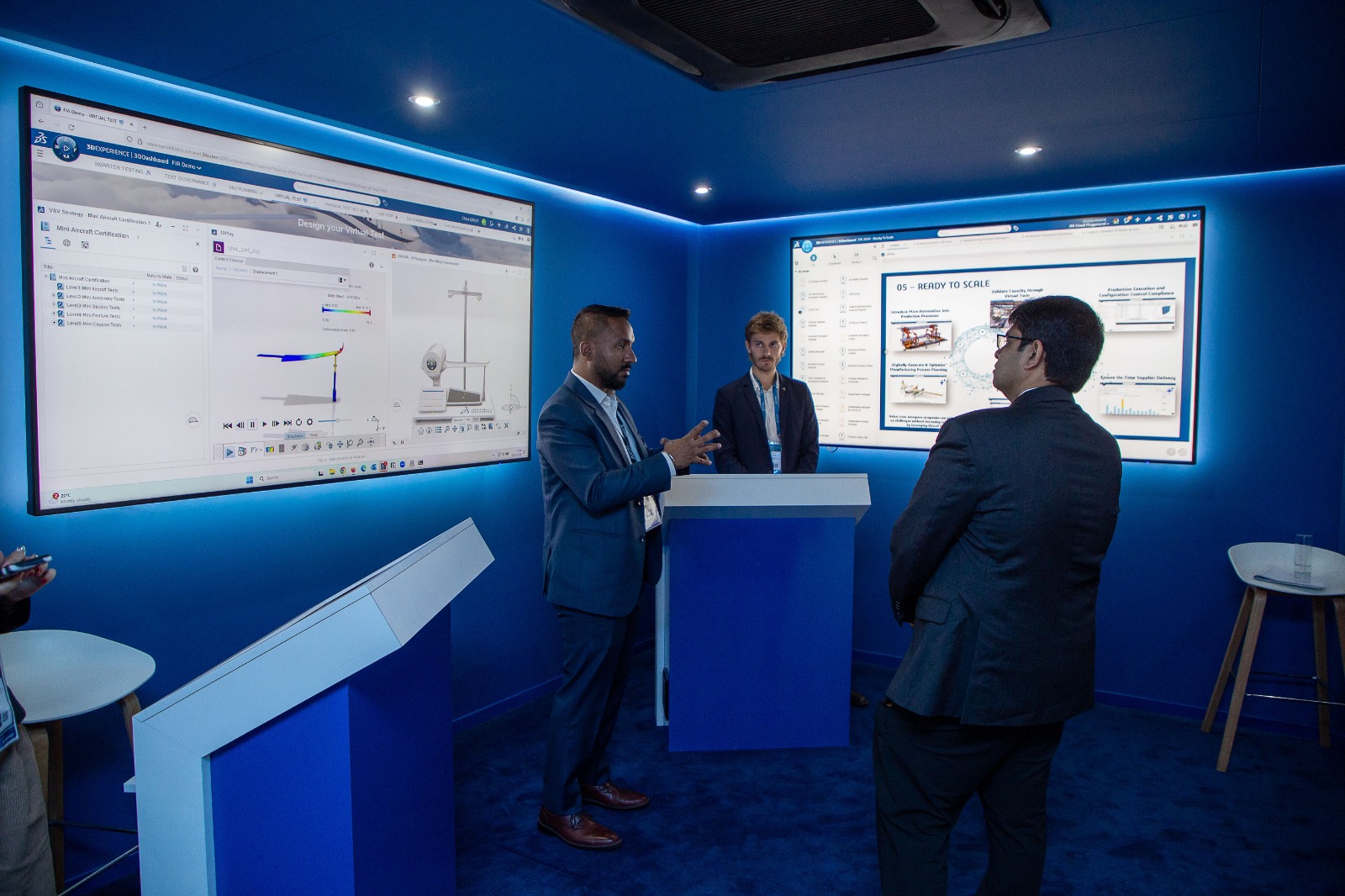
A deeper look into the platform’s engineering environment reveals a complete three-dimensional representation of the product, directly linked to the entire Bill of Materials (BOM). This environment is immediately available to relevant users throughout the organization and can also be extended to external suppliers requiring access in order to design specific components. Beyond engineering itself, the platform manages the full range of required governance and control processes.
One of the system’s notable strengths lies in its collaboration environment. Data within the platform serves as a central mechanism for connecting the different disciplines involved in a program. By navigating internal communities—something akin to a corporate social network—teams can develop ideas and consolidate informal information in order to gain a better understanding of market trends, technical requirements and the maturity levels of different technologies.
These ideas can then evolve into defined projects. Rather than merely presenting conventional scheduling documents, the system manages each task and deliverable as an independent object within the database.
This object-based approach creates what Dassault Systèmes describes as Digital Continuity, ensuring consistency throughout the different stages of development. An engineer can select a particular component and immediately obtain a visual graph showing the original requirements that led to its design, move directly to the relevant simulation data, and retrieve the necessary validation or manufacturing files.
The process bridges the gaps between distributed information systems and can save considerable time.
Bringing all this data together under a single digital environment also creates fertile ground for automation and Generative AI capabilities. During detailed design, the system offers what Dassault Systèmes calls Virtual Companions.
If a designer needs to modify a parameter – for example, the number of patterns or features in a sheet-metal panel – the Virtual Companion can analyze the change and automatically update the design accordingly.
The same approach extends into manufacturing engineering. After all, there is little value in designing an exceptional product if it cannot be manufactured correctly and efficiently.
Here, the Virtual Companion can be used to define work instructions and the sequence of operations required to assemble components – for example, attaching wheels to a central axle. Developing such assembly scenarios is traditionally a laborious and time-consuming task for manufacturing engineers. Automating the process can significantly shorten the development cycle, translating directly into major savings in both time and money—particularly given the exceptionally high costs associated with aerospace manufacturing.
What makes this degree of automation possible is not generic artificial intelligence of the kind familiar to the general public. Instead, it relies on Industrial World Models, in which deep industrial knowledge is embedded within the platform itself.
In this sense, AI within the system is much more than a static tool for gathering or analyzing information. It serves as a driving force, pushing engineering toward higher-quality and more innovative work. It can generate new solutions to complex engineering challenges and evaluate alternatives virtually instantaneously.
Valois, however, stresses one critical point: the human factor remains at the center.
The purpose of the system is to make specialized expertise accessible and automate appropriate processes. But control, oversight and final approval of complex solutions always remain the responsibility of human engineers.
Eli Boikis, Managing Director of Dassault Systèmes Israel, summed up the company’s experience:
“Following more than 300 meetings with customers, primarily from the aerospace and defense industries but not exclusively, we can say unequivocally that customers are looking for the solutions of tomorrow. They want to leverage artificial intelligence together with their own intellectual property, using their own data and within their own working environment.
“Dassault Systèmes’ 3DEXPERIENCE platform and the Virtual Companions integrated into it enable customers to benefit from the collective memory of an entire industry, while giving managers and engineers the ability to explore multiple possibilities, shorten processes and achieve zero defects—all without compromising the security of the organization’s most sensitive information.
“This is the future of engineering, and I believe our customers have now seen that the future is already here.”
Siemens
Another company offering engineering design and management tools for complex programs is Siemens.
Siemens’ broader vision begins with a radical simplification of even the most complex design processes. Joe Bohman, Executive Vice President for PLM Products at Siemens Digital Industries Software, explained during our meeting at the Farnborough International Airshow that the integration of Generative AI into the Siemens Xcelerator platform is fundamentally changing the way engineers can work.
The objective is to enable a human engineer, using simple, natural language, to ask the system to design complex components and systems – ranging from an aircraft wing or an unmanned aerial vehicle to advanced defense systems.
During our interview, Bohman also addressed Siemens’ presence in Israel. The company has a substantial footprint in the country; indeed, a significant part of its global product-development organization operates out of Israel.
“I was so impressed by the Iron Dome system, and I am very proud that we were part of it through our software,” Bohman said, adding unequivocally that the company feels no pressure or reservations regarding its extensive presence in Israel.
In fact, Siemens’ entire industrial software organization is managed directly from Israel by Zvi Feuer.
Feuer, Managing Director of Siemens Industry Software Ltd. Israel, elaborates on the company’s local operations and provides some perspective on both its scale and the industries it serves.
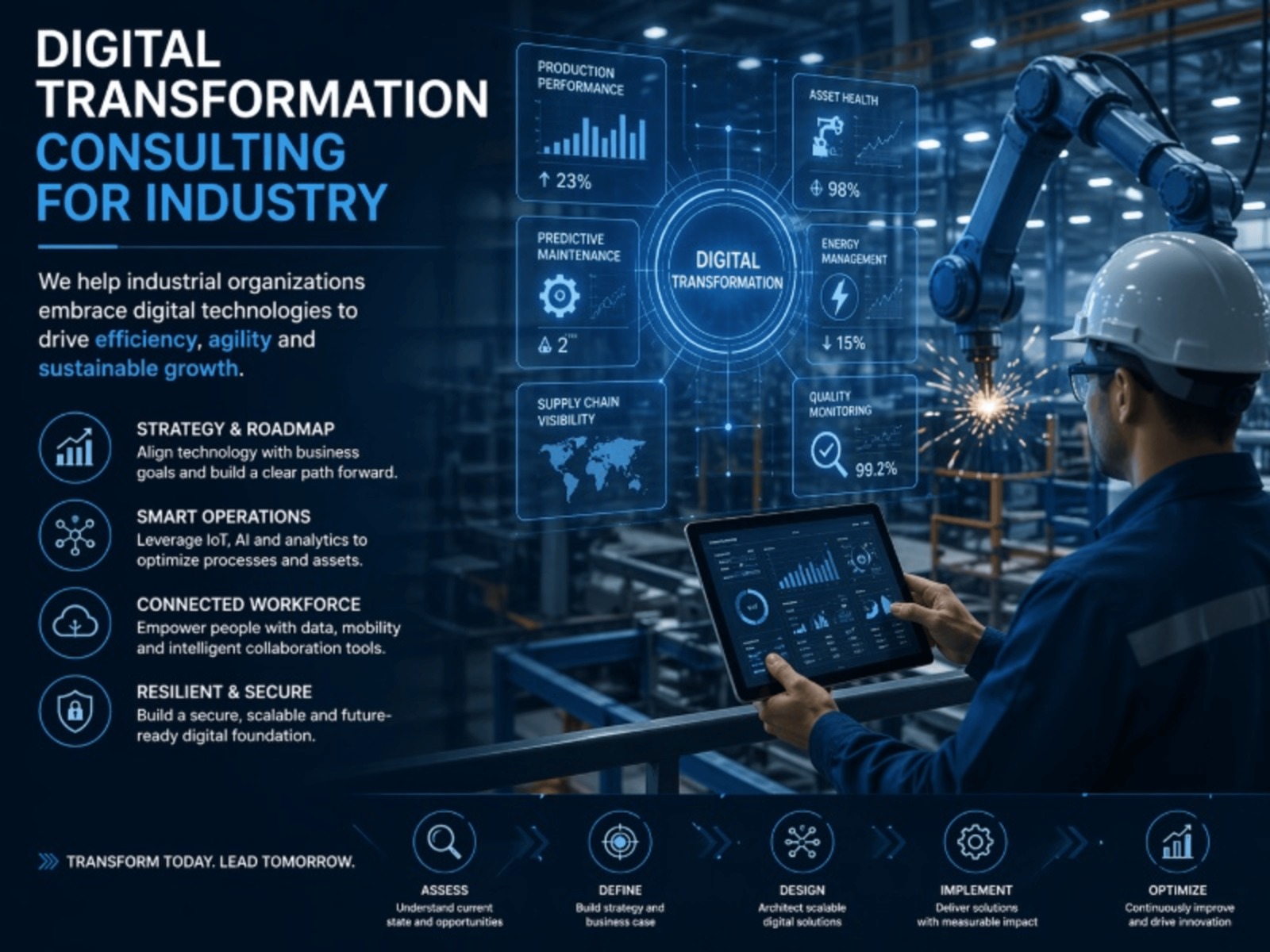
Siemens employs approximately 400 people in Israel and around 2,000 worldwide in the field of industrial software. The company provides solutions to 13 different industries, including aerospace, defense, pharmaceuticals, bioscience, and food and beverage.
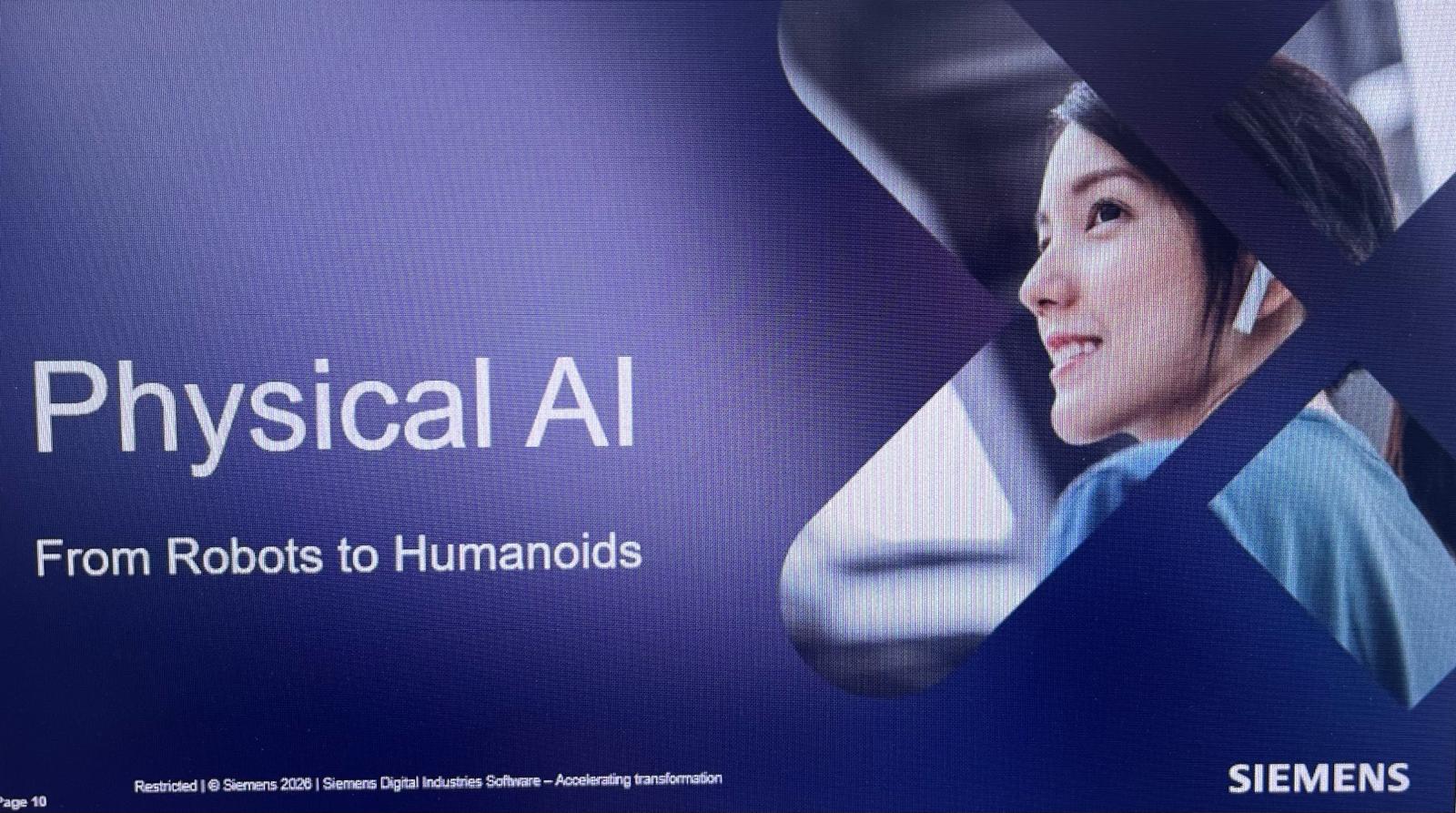
Siemens is also ranked as a global leader in robotics and has recently made major strides into the field of humanoid robots. At the same time, it is one of only three companies worldwide offering a comprehensive solution for the digital manufacturing of semiconductor chips.
Feuer and Bohman explain that Siemens’ strategy is built around one central concept: the Comprehensive Digital Twin.
Siemens has invested more than €25 billion in building and acquiring the capabilities that make up this ecosystem.
The Digital Twin enables customers to construct a complete and highly accurate virtual model of a production floor – or of the product itself – before spending a single dollar in the physical world.
The system accompanies the manufacturing process throughout its lifecycle, supporting it at every stage and even proactively proposing modifications and improvements that the human engineers themselves may not have considered.
Among Siemens’ major customers worldwide are some of the most prominent names in aerospace and defense, including Lockheed Martin, Boeing, Northrop Grumman, Ariane and Rolls-Royce.
In Israel, the company works closely with the country’s leading defense companies—Israel Aerospace Industries (IAI), Rafael Advanced Defense Systems and Elbit Systems—as well as major civilian companies such as Strauss.